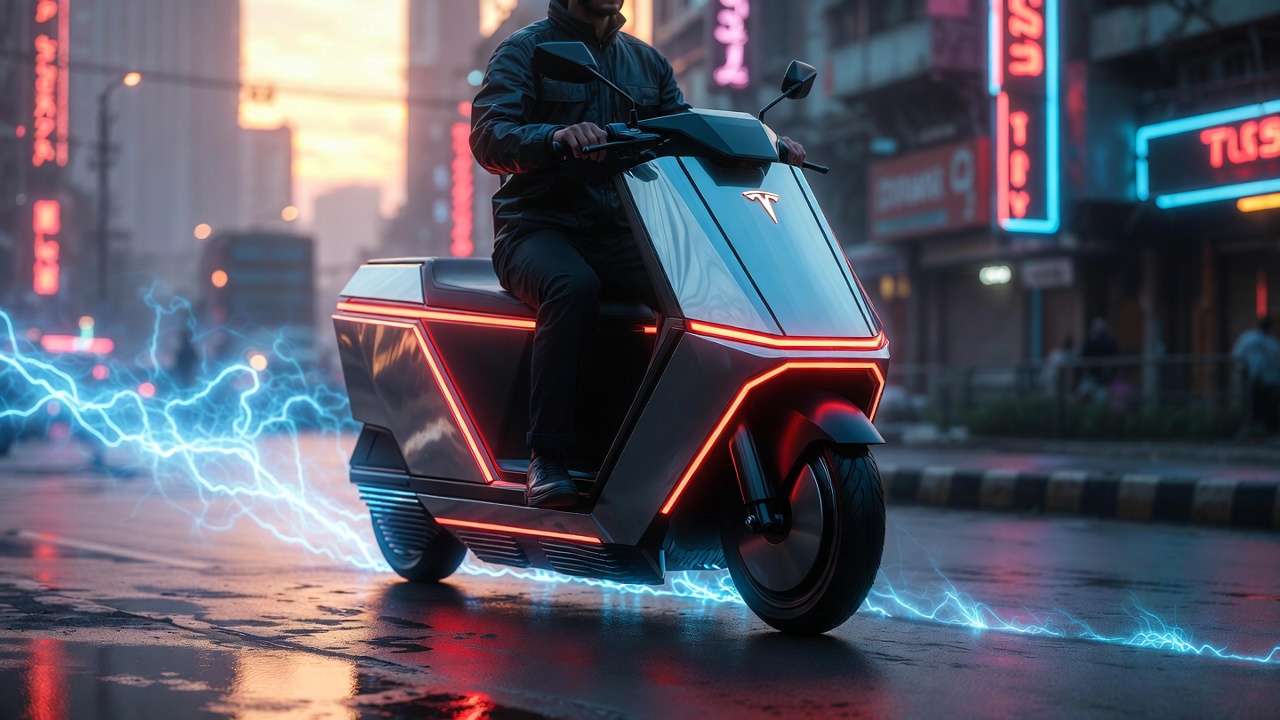
The Tesla hover scooter has captured imaginations worldwide, blending futuristic dreams with viral hype. As of January 2026, Tesla does not offer an official hover scooter or any true levitating personal mobility device in its lineup. What exists instead is a flood of concept videos, AI-generated renders, and speculative posts—mostly from social media channels like Facebook’s Technium Kingdom 2049 and YouTube shorts—claiming “Tesla’s first hover scooter” or “flying hover bike” is here or coming soon.
These often show sleek, black-and-gold designs gliding silently over roads or water, with claims of 0-40 km/h acceleration in seconds, 80+ km range, and anti-gravity tech. Yet none trace back to Tesla’s official announcements, Elon Musk’s X posts, or the Tesla shop.
The Buzz Around Tesla Hover Scooter in 2026
Imagine stepping onto a board or scooter that lifts off the ground—no wheels, no friction, just silent, effortless glide. That’s the promise sold in countless viral clips circulating in early 2026. Posts promise game-changing personal transport: bypassing traffic, eco-friendly electric power, and that signature Tesla minimalist aesthetic.
But search Tesla’s official site or Elon’s feed, and you’ll find zero mention of a hover scooter product launch. Instead, the excitement stems from fan concepts, third-party edits, and clickbait titles like “Elon Musk’s $5,000 Flying Tesla Scooter FINALLY Hitting The Market” or “TESLA enters hover mode.”
These videos often repurpose footage from older hover tech demos (like Hendo or Omni Hoverboards) or blend in CGI with Tesla branding. Some tie into Elon’s past teases about hovering features—like brief mentions of the next-gen Roadster potentially “hopping” over obstacles using fan tech or SpaceX-inspired systems—but nothing concrete for a standalone scooter.
Why the surge now? 2026 marks continued growth in electric personal mobility. With urban congestion rising in cities like Mumbai, people crave alternatives to cars and traditional scooters. Tesla’s brand—synonymous with innovation—makes it the perfect hook for viral content creators.
What Tesla Actually Offers in Personal Mobility
Tesla focuses on scalable electric transport: cars, trucks, energy, and a few fun extras.
- Cyberquad for Kids: An all-electric ride-on toy inspired by Cybertruck. Steel frame, 500W motor, up to 10 mph top speed, 15-mile range. Aimed at ages 9-12. It’s wheeled, not hovering—pure grounded fun.
- Levitating Cybertruck Model: A 1:24 scale desk toy that floats via magnets. Cool collector item, but not for riding.
No adult scooters, bikes, or hover devices appear in Tesla’s catalog. Elon has addressed similar ideas before, noting Tesla avoids motorcycles or scooters due to safety and liability risks—echoed in comments about not pursuing e-bikes or unicycles officially.
Fan creations exist, like the “Cyberwheel” electric unicycle built by a Tesla employee—impressive balance, 50+ mph capable—but it’s unofficial and not sold by Tesla.
The Reality of Hover Technology Today
True hovering (magnetic levitation, ground-effect, or thrust-based) faces massive hurdles for everyday use.
Real hoverboards like the original Hendo (2014) used electromagnets but required conductive surfaces (copper or aluminum tracks)—impractical for streets. Others rely on propellers (like drone-style hoverbikes) or massive batteries for short flights.
Key challenges:
- Power Consumption: Sustained hover drains energy fast. Even advanced batteries struggle beyond minutes without recharge.
- Safety & Stability: Wind, uneven terrain, or sudden stops risk crashes. No widespread regulatory approval for public roads.
- Cost: Prototypes run tens of thousands; mass production would need breakthroughs.
- Noise & Environment: Fan-based systems aren’t silent; magnetic ones need special infrastructure.
Tesla’s strengths—battery tech, AI autonomy, electric motors—could solve some issues, but no evidence points to active development on a hover scooter.
Could Tesla Ever Build a Hover Scooter?
Elon Musk loves bold ideas. He’s joked about flying cars and mentioned hovering in contexts like the Roadster or Boring Company tunnels. In interviews, he’s discussed using fans for short “hops” to clear traffic—perhaps 50 ft altitude for seconds or minutes.
If Tesla pursued it:
- Integrate high-density batteries from next-gen cells.
- Use AI for real-time stabilization (like Autopilot but vertical).
- Add thrust vectoring from SpaceX tech.
- Ensure regulatory compliance (FAA for air, NHTSA for ground).
But priorities lie elsewhere: Robotaxi (Cybercab), affordable EVs, Semi scaling, energy storage. Personal hover devices seem low on the list.
Speculative timeline? If anything emerges, 2028+ at earliest—tied to broader flying vehicle progress.
Pros and Cons of a Hypothetical Tesla Hover Scooter
Pros
- Zero road friction → smoother, faster urban travel
- Bypass traffic jams in congested areas
- Fully electric → aligns with Tesla’s sustainability
- Futuristic appeal → massive brand boost
- Potential integration with Tesla app/ecosystem
Cons
- Extremely high energy use → limited range
- Safety risks (falls, collisions at height)
- Prohibitively expensive to produce/sell
- Requires new infrastructure or limits (e.g., special surfaces)
- Regulatory hurdles for air mobility
Alternatives to Tesla Hover Scooter in 2026
While waiting for sci-fi to become reality, practical options abound:
- Electric scooters from brands like Segway, Xiaomi, or Hover-1 (foldable, 20-30 mph, 20-40 mile range).
- One-wheels or electric unicycles for agile commuting.
- E-bikes for longer distances with pedal assist.
- In Tesla world: Full Self-Driving on existing models or Robotaxi fleets for hands-free rides.
These deliver real benefits today without hover hype.
The Future of Personal Mobility Beyond Hover Scooters
Mobility evolves toward autonomy, electrification, and integration. Expect:
- Widespread robotaxis reducing car ownership.
- eVTOLs (electric vertical takeoff) for air taxis in cities.
- Hyper-efficient micromobility in urban planning.
Tesla leads in many areas—Autopilot, battery breakthroughs—but hover scooters remain conceptual for now.
FAQs
Is there an official Tesla hover scooter in 2026?
No. Tesla has not announced or released any hover scooter or levitating personal mobility product. All circulating videos and claims are unofficial concepts or misinformation.
What is the Tesla Cyberquad?
It’s an electric four-wheel ride-on toy for kids (ages 9-12), inspired by Cybertruck, with a 500W motor, 10 mph top speed, and up to 15 miles range. It’s wheeled, not hovering.
Has Elon Musk ever talked about hover technology?
Yes, indirectly. He’s mentioned potential “hovering” or hopping features for vehicles like the next Roadster, but nothing confirmed for scooters or boards.
Why are there so many Tesla hover scooter videos online?
Viral content creators use AI renders, edited footage, and hype titles to drive views. Channels like Technium Kingdom 2049 post frequent “Tesla hover” clips without official backing.
What are real hoverboard alternatives available now?
Brands offer wheeled electric scooters (e.g., Hover-1) or propeller-based personal flyers (limited prototypes). True magnetic hover remains niche and surface-dependent.
Could Tesla make a hover scooter in the future?
Possible, leveraging their battery and AI expertise, but unlikely soon due to safety, power, and regulatory challenges. Focus remains on cars, autonomy, and energy.
Is the Tesla levitating Cybertruck real?
Yes, but it’s a floating desk model toy (1:24 scale) using magnets—not a functional vehicle.
What personal electric products does Tesla sell?
Primarily the Cyberquad for Kids and accessories like the levitating model. No adult scooters, bikes, or hover devices.
Are flying bikes or hover scooters safe for daily use?
Current tech isn’t ready for widespread adoption. Risks include battery life, stability in wind, and lack of infrastructure.
Where can I buy a real Tesla product?
Visit shop.tesla.com for official items like Cyberquad, apparel, and energy products.
In summary, the Tesla hover scooter captivates as a dream of frictionless, futuristic travel—but it’s not reality in 2026. Stick to verified Tesla innovations while watching for breakthroughs. True change often arrives quietly, not in viral hype. What mobility solution excites you most? Share in the comments or explore Tesla’s official offerings today. 🚀