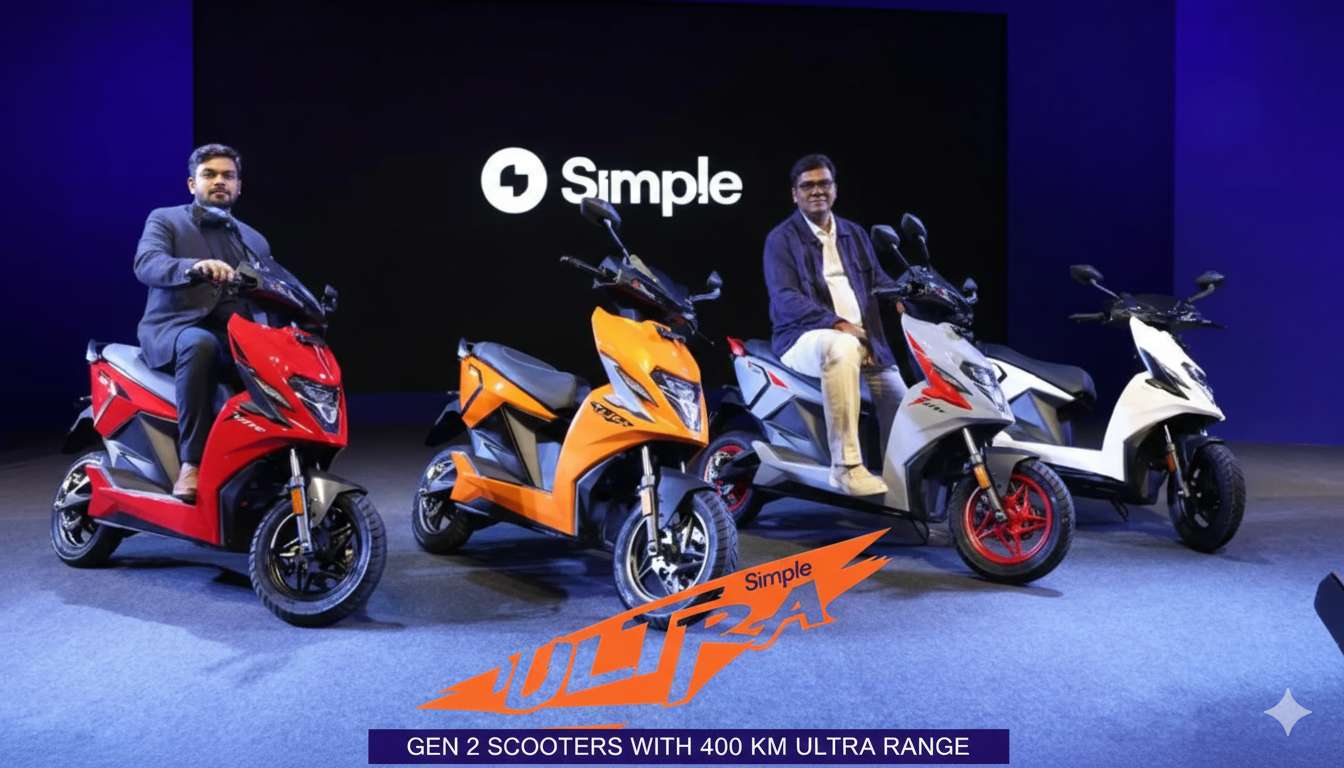
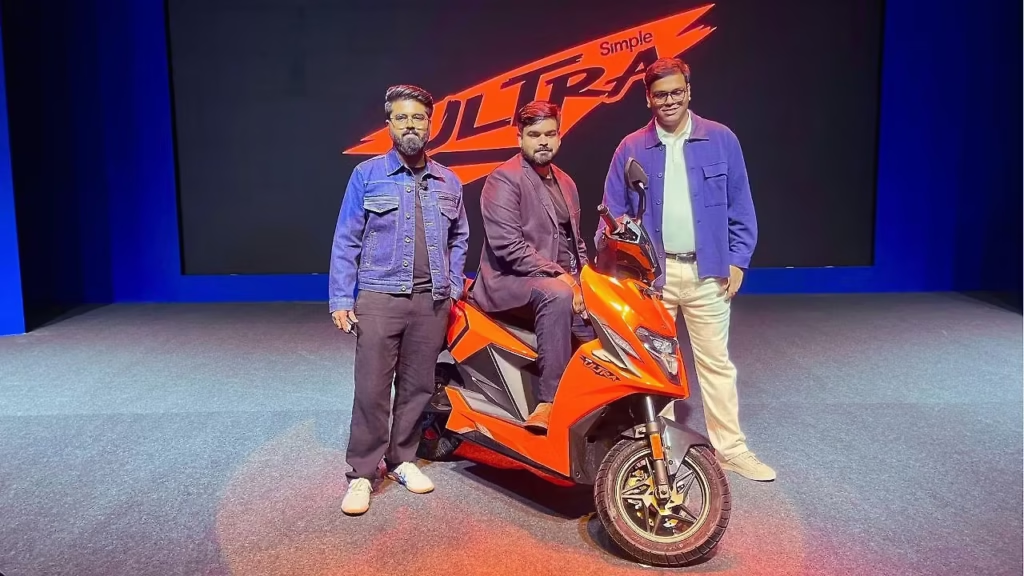
The Simple Ultra EV Scooter has burst onto the Indian electric two-wheeler scene in early 2026, grabbing headlines as the country’s longest-range electric scooter. Unveiled by Simple Energy in January 2026, this flagship model boasts an impressive IDC-certified range of up to 400 km on a single charge — a figure that outpaces most competitors and signals a bold step forward for long-distance EV commuting in India.
As electric scooters gain popularity for their zero-emission rides, low running costs, and growing charging infrastructure, the Simple Ultra stands out for riders tired of range anxiety on highways or multi-day trips. Whether you’re a daily commuter in Gujarat looking to cut fuel bills or an enthusiast eyeing performance-packed electric mobility, this scooter promises to deliver big.
In this detailed 2026 update, we’ll cover everything: specs, features, pricing expectations, real-world performance insights, comparisons, pros/cons, and more. Let’s dive in.
What Makes the Simple Ultra Special?
Simple Energy positions the Ultra as the top-tier offering in its refreshed Gen 2 lineup. Launched alongside updated versions of the Simple One and Simple OneS, it targets users who prioritize maximum endurance without compromising on speed or tech.
The standout highlight? A massive 6.5 kWh battery pack — the largest ever fitted to an electric scooter in India. This isn’t just hype; it’s backed by IDC (Indian Driving Cycle) certification, which simulates mixed urban and highway conditions for realistic lab-tested figures.
Simple Energy claims this setup enables the scooter to cover distances that could mean charging only once every 2–3 weeks for typical city commuters (assuming 20–30 km daily rides). For inter-city travel or weekend getaways, it’s a game-changer compared to scooters topping out at 200–250 km.
Key Specifications of the Simple Ultra
Here’s a clear breakdown of the core specs based on the latest unveil details:
- Battery Capacity: 6.5 kWh (largest in Indian e-scooter segment)
- Claimed Range: Up to 400 km (IDC-certified)
- Top Speed: 115 km/h
- Acceleration: 0–40 km/h in 2.77 seconds
- Motor: Peak power around 8.8 kW (with 72 Nm torque, similar to higher-end Gen 2 siblings)
- Charging: Fast-charging capable (exact 0–80% time pending full disclosure, but improved over previous gens)
- Kerb Weight: Expected higher due to the big battery (exact figure awaited)
- Braking: Disc brakes with Combined Braking System (CBS), multiple regen levels
- Wheels & Tyres: Likely 12-inch alloys with tubeless tyres
- Suspension: Telescopic front forks, twin rear shocks (tuned for comfort and stability)
These numbers position the Ultra as one of the quickest and longest-ranging options available, blending touring capability with urban agility.
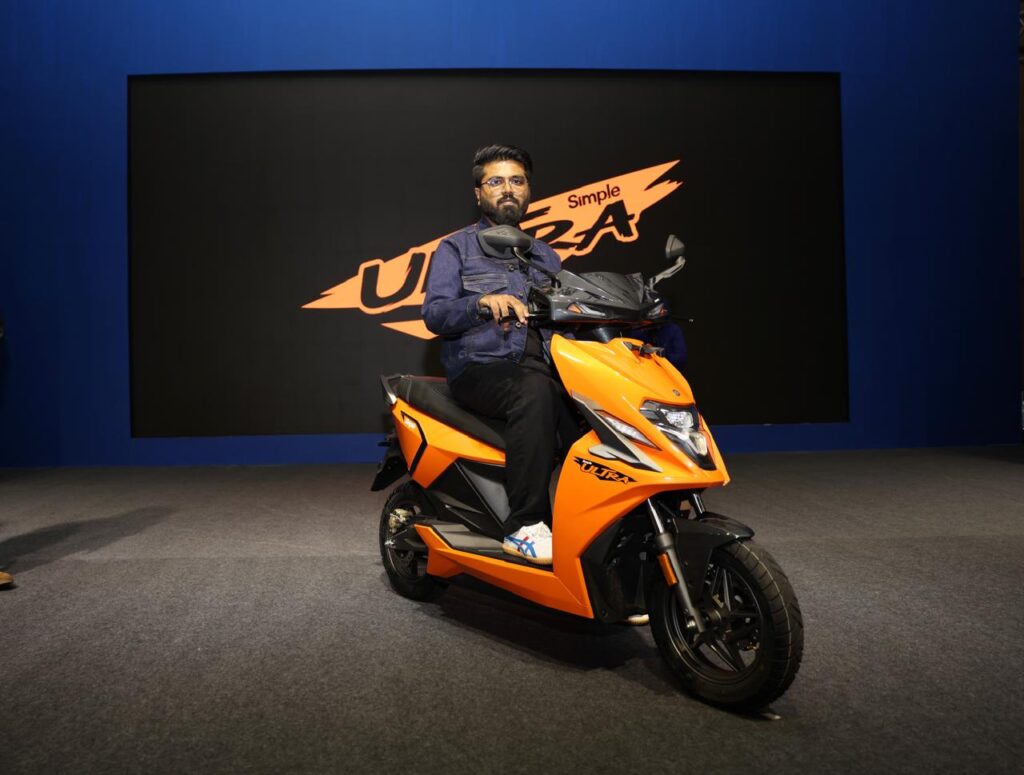
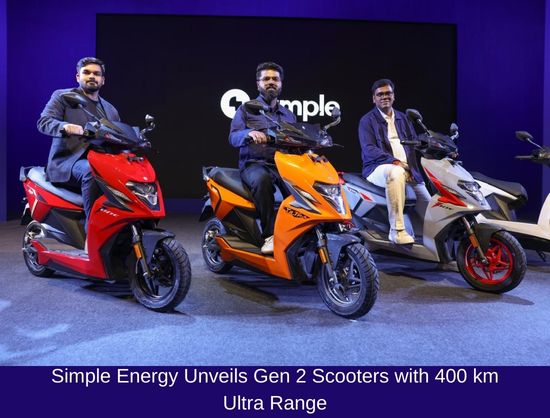
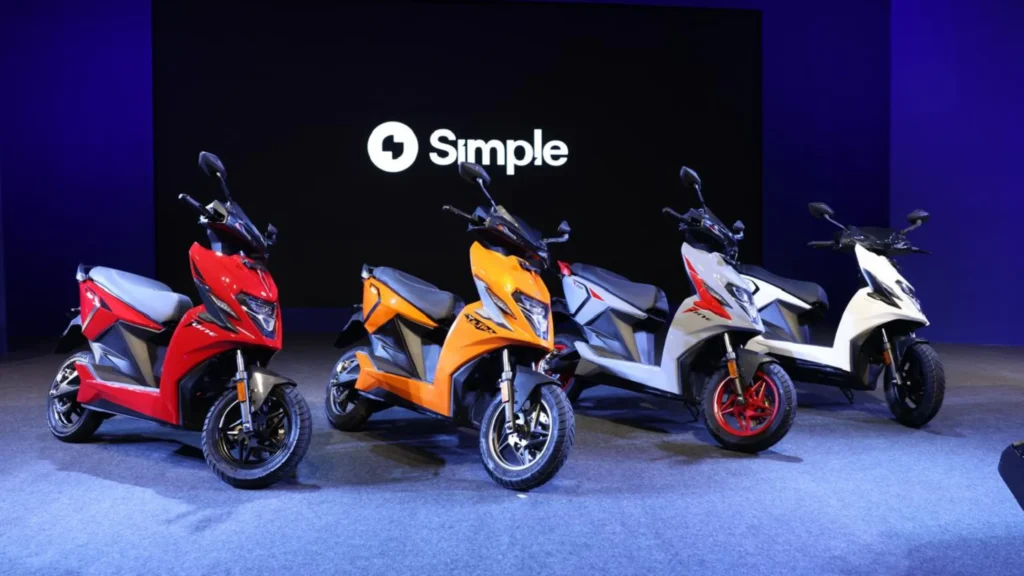
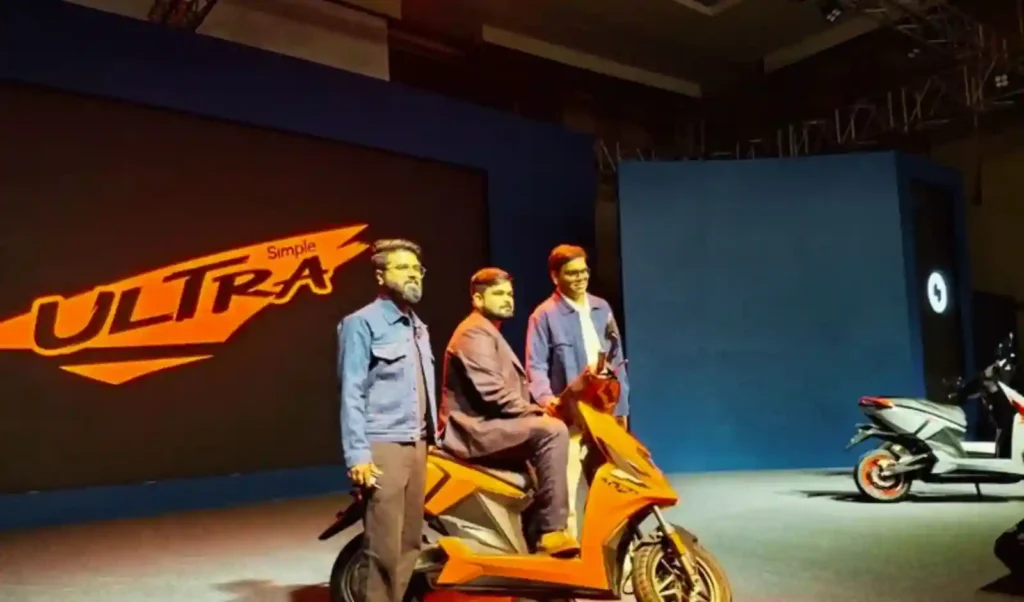
Design and Build Quality
The Simple Ultra carries forward Simple Energy’s signature minimalist, premium aesthetic — sleek lines, a retro-futuristic vibe, and thoughtful ergonomics. It features a low seat height (around 780 mm in the lineup), making it accessible for most riders.
Key design upgrades in the Gen 2 family (including Ultra):
- Larger 35-litre underseat storage (enough for two full-face helmets)
- Dedicated 1-litre glovebox
- IP67-rated battery and components for dust/water resistance
- LED lighting all around
- Spacious floorboard and practical pillion grab rails
The build feels solid, with attention to detail in fit-finish that aims to rival established players like Ather or Ola in the premium space.
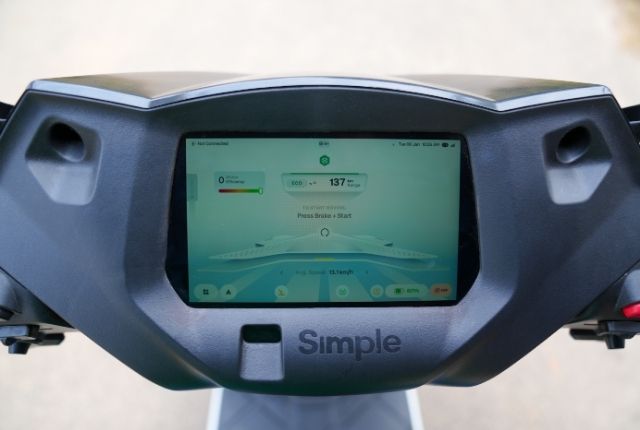
(Images show the sleek profile, dashboard, and storage of the Simple Ultra / Gen 2 lineup.)
Advanced Features and Technology
Simple Energy loads the Ultra with modern connected tech to justify its premium positioning:
- 7-inch touchscreen dashboard (with navigation, music control, ride stats)
- 5G e-SIM for always-on connectivity
- Bluetooth pairing, OTA software updates
- Traction control system
- Cruise control (city and highway modes)
- Multi-level regenerative braking
- Tyre Pressure Monitoring System (TPMS)
- Fall-safe detection and emergency alerts
- Park assist and reverse mode
Safety gets emphasis with improved braking distances and stability aids. Lifetime warranty on battery and motor (a big confidence booster) adds peace of mind.
Performance in Real-World Conditions
While the 400 km IDC range grabs attention, real-world figures depend on factors like rider weight, speed, terrain, AC usage (if applicable), and traffic.
Expect:
- City riding (30–50 km/h): 280–350 km possible
- Mixed highway/city: 250–300 km
- Aggressive riding (full throttle, 100+ km/h): Closer to 200–250 km
The 115 km/h top speed and quick 0–40 sprint make overtakes easy on highways. Torque delivery feels instant, typical of EVs, giving a smooth, fun ride.
Pricing and Availability (2026 Update)
The Simple Ultra remains in pre-booking stage as of January 2026. Official ex-showroom price is yet to be confirmed, but leaks and estimates point to:
- Expected price: ₹2,00,000 – ₹2,16,000 (ex-showroom Bangalore)
- Some sources mention leaked figure around ₹2,15,999
Prices may vary by state due to subsidies (FAME-III if applicable, plus Gujarat state incentives for EVs). Deliveries are expected mid-2026 onward, with showrooms expanding in cities like Ahmedabad, Surat, and Vadodara for Gujarat buyers.
For context, here’s how it stacks up against siblings:
| Variant | Battery | IDC Range | Top Speed | 0-40 km/h | Expected/Intro Price (ex-showroom) |
|---|---|---|---|---|---|
| Simple OneS Gen 2 | 3.7 kWh | 190 km | 90 km/h | 3 sec | ₹1,39,999 – ₹1,49,999 |
| Simple One Gen 2 (4.5 kWh) | 4.5 kWh | 236 km | 90 km/h | 3.3 sec | ₹1,69,999 |
| Simple One Gen 2 (5 kWh) | 5.0 kWh | 265 km | 115 km/h | 2.55 sec | ₹1,77,999 |
| Simple Ultra | 6.5 kWh | 400 km | 115 km/h | 2.77 sec | ~₹2,00,000 – ₹2,16,000 |
Comparison with Rivals
How does the Ultra fare against top competitors?
- Vs Ola S1 Pro (Gen 3/ upcoming): Ola claims ~200–250 km; Ultra’s 400 km is a clear win for range-focused buyers.
- Vs Ather 450X / Rizta: Ather tops ~150–160 km; Ultra offers double the distance.
- Vs TVS iQube / Bajaj Chetak: Similar price brackets but lower range claims.
The Ultra shines for long tours, but rivals may edge out in service network maturity or app ecosystem polish.
Pros and Cons of the Simple Ultra
Pros:
- Exceptional claimed range reduces charging worries
- Strong acceleration and top speed for thrilling rides
- Packed with premium features and safety tech
- Lifetime battery/motor warranty
- Spacious, practical design
Cons:
- Premium pricing puts it in high-end territory
- Real-world range may drop in hot Gujarat summers or with heavy loads
- Brand’s delivery and service network still expanding
- Heavier weight from big battery could affect handling slightly
Who Should Buy the Simple Ultra?
This scooter suits:
- Long-distance commuters or weekend tourers
- Families needing max practicality and storage
- EV enthusiasts wanting cutting-edge range tech
- Gujarat riders eligible for state EV subsidies
If your daily ride is under 100 km, a cheaper Gen 2 variant might suffice.
Conclusion: Is the Simple Ultra Worth the Wait?
The Simple Ultra EV Scooter represents Simple Energy’s most ambitious move yet — pushing Indian e-scooters into true long-range territory with 400 km capability. While official pricing and full deliveries are pending in 2026, it already sets a new benchmark for what electric two-wheelers can achieve.
If range anxiety has held you back from going electric, the Ultra could be the tipping point. Keep an eye on simpleenergy.in for updates, pre-book if interested, and consider a test ride once available in Gujarat showrooms.
The future of affordable, high-range electric mobility looks bright — and Simple is making it simpler.
FAQs About Simple Ultra EV Scooter
1. What is the range of the Simple Ultra scooter?
The Simple Ultra offers up to 400 km on a single charge as per IDC certification — the highest for any electric scooter in India as of 2026.
2. When will the Simple Ultra launch and what is its price?
Unveiled in January 2026, it’s open for pre-bookings. Expected price: ₹2,00,000–₹2,16,000 (ex-showroom). Full launch and deliveries likely mid-2026.
3. Is the 400 km range realistic in daily use?
IDC is lab-tested; real-world expect 250–350 km depending on speed, load, and conditions. Still excellent for most users.
4. What is the top speed and acceleration of Simple Ultra?
Top speed: 115 km/h. 0–40 km/h in 2.77 seconds — quick enough for confident highway merging.
5. Does Simple Ultra come with a warranty?
Yes — lifetime warranty on battery and motor, plus standard coverage on other parts.
6. How does it compare to Ola or Ather scooters?
It leads in range (400 km vs ~200–250 km rivals), but check service network and app features based on your needs.
7. Is fast charging available on Simple Ultra?
Yes, supported — but exact times (0–80%) await full specs. Gen 2 lineup shows improvements over older models.
8. Can I get subsidies in Gujarat for Simple Ultra?
Likely yes under state EV policies + central incentives (if eligible). Check local RTO for latest benefits.
9. What riding modes does it have?
Multiple modes including eco, normal, sonic (performance), plus cruise control variants for city/highway.
10. Where can I book or test ride the Simple Ultra?
Visit simpleenergy.in or nearest Simple showroom (expanding in Gujarat). Pre-bookings are live.